


Hearing Aid Costs
Understanding that split is what lets you compare quotes that look nothing alike. A bare device with no support and a higher-priced package that includes years of adjustments are not the same purchase, even when the hardware looks similar. Knowing what each dollar buys keeps you from overpaying and, just as often, from underbuying and ending up disappointed.
This is where a conversation with an audiologist earns its keep. A hearing evaluation tells you which technology level actually fits your hearing and your life, so you are paying for capability you will use rather than features that sit idle.
At a glance
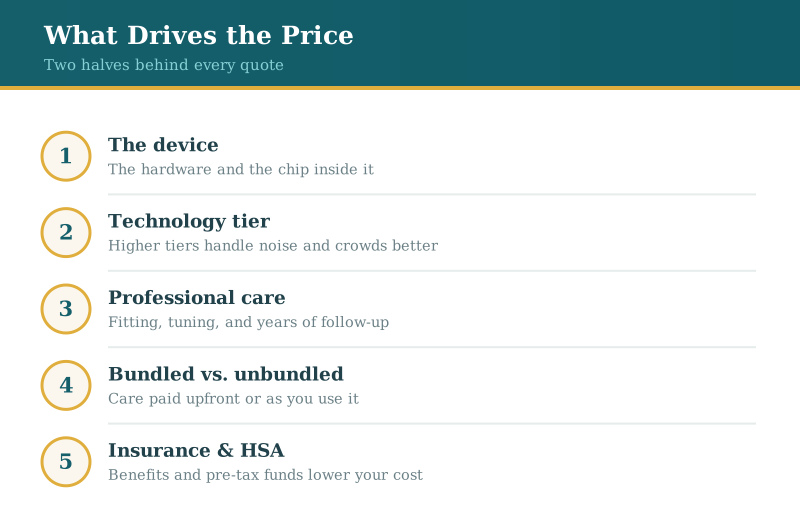
- A hearing aid's price bundles two things: the device's technology tier and the professional care attached to it.
- Higher technology tiers mainly buy better performance in noise and busy settings, not in quiet ones.
- Bundled pricing includes years of follow-up upfront; unbundled pricing charges for care as you use it.
- Insurance, HSA/FSA dollars, and tax treatment can lower what you actually pay without changing the sticker.
Two things folded into one price
Nearly every hearing aid quote combines hardware and human expertise, and most sellers present them as a single number. The device is the part you can hold: the chip, microphones, and processing that separate speech from background sound. The care is everything a clinician does around it, from measuring your hearing to programming the aids to your specific loss and tuning them over time. Judge a price by asking how much of each you are getting, because a low figure often means the care has simply been stripped out.
Technology tiers, and what the jump buys
Manufacturers sell most models in tiers, usually labeled something like essential, standard, advanced, and premium. The core difference is how well the aid handles hard listening: a noisy restaurant, several people talking at once, sound arriving from behind you. Entry-level tiers do well in quiet rooms and one-on-one talks. Higher tiers add faster processing and sharper noise handling for busy, shifting environments. If most of your day is calm and quiet, paying for the top tier buys little. If you are often in crowds and meetings, the jump can be worth it.
The professional care you don't see on the sticker
Much of what you pay for never appears as an object you can point to. A hearing aid fitting uses your test results to program each aid to your exact loss, then verifies the settings and refines them across follow-up visits as your ears adjust. That skilled tuning is often the difference between aids that help and aids that end up in a drawer. Cleanings, repairs, and periodic reprogramming may also be folded into the price, spreading real value across the years you own the devices.
Bundled and unbundled pricing
Practices package price in two broad ways. Bundled pricing rolls the device and years of professional care into one upfront figure, so follow-up visits carry no separate charge. Unbundled pricing lowers the sticker on the hardware and bills the care as you use it. Neither is automatically cheaper. A bundled plan tends to suit people who want predictable, ongoing support; an unbundled plan can fit someone who expects few visits. Ask which model a quote uses before you set it beside another.
Over-the-counter versus prescription
Over-the-counter hearing aids, sold without an exam, have widened the low end of the market and can genuinely help adults with mild to moderate loss who are comfortable self-fitting. What the lower price leaves out is professional testing and personalized programming. Prescription devices cost more because a clinician measures your hearing, matches the technology to it, and adjusts the fit over time. For many people, that guidance is the part that makes the spend pay off, and it tends to matter most for older adults adjusting to devices for the first time.
Insurance, HSA dollars, and tax breaks
The number on the quote is rarely the number you pay. Some health plans contribute toward hearing aids, and the amount varies widely, so it is worth checking your insurance benefits before you decide. Health savings and flexible spending accounts let you use pre-tax dollars, which effectively trims the cost. Hearing aids are also generally an eligible medical expense for tax purposes. None of these change the price a seller lists, but together they can meaningfully lower what leaves your pocket.
Judging value before you sign
A good quote should let you see the two halves separately: what the device costs and what care comes with it. Ask which technology tier is being recommended and why it matches your hearing, what follow-up is included and for how long, and whether a trial period lets you return the aids if they do not work out. If a price seems high, the answer is usually in the care attached to it; if it seems low, that same care may be missing. When you are ready to compare real options for your own hearing, our team can walk you through them through the contact page.
Frequently asked questions
A few questions worth asking
Why do hearing aid prices vary so much?
Two variables drive most of the spread: the technology tier of the device and how much professional care is bundled with it. A bare device with no support sits at the low end, while a premium aid packaged with years of fittings and follow-up sits at the high end. Comparing quotes fairly means separating those two pieces first.
Are expensive hearing aids always better?
Not for everyone. Higher-priced, higher-tier aids handle noisy and complex settings better, so they reward people who spend time in crowds, restaurants, and meetings. If your days are mostly quiet, a mid-tier device may serve you just as well for less. The right tier is the one that matches how you actually live.
What does a hearing aid fitting add to the cost?
A fitting is where a clinician programs the aids to your specific hearing loss, verifies the settings, and refines them over several visits. That work turns capable hardware into aids that genuinely help, which is why it carries real value even though it is not a physical product you take home.
Can insurance or an HSA reduce what I pay?
Frequently they can, though it depends on your plan. Some insurers contribute toward the purchase, and HSA or FSA funds let you pay with pre-tax dollars. Checking your insurance benefits before you buy can shift which option makes sense. These do not lower the seller's price, but they do lower your out-of-pocket cost.
Is a cheaper over-the-counter hearing aid worth it?
For an adult with mild to moderate loss who is comfortable setting the device up themselves, an over-the-counter aid can be a reasonable, lower-cost start. What you give up is the testing and personalized programming a clinician provides. If your loss is more than mild, or self-fitting feels daunting, the added cost of a prescription device and its support usually earns its place.