


Causes & Prevention
The honest picture is that risk is rarely one thing. A lifetime of noisy hobbies, a family history of early hearing loss, and a health condition like diabetes can each nudge the odds, and together they add up. Two people the same age can land in very different places depending on how those pieces stacked over the years.
So the useful question is not whether you have any risk factors at all, because most of us do. It is which ones apply to you, and what you can reasonably do about them from here.
At a glance
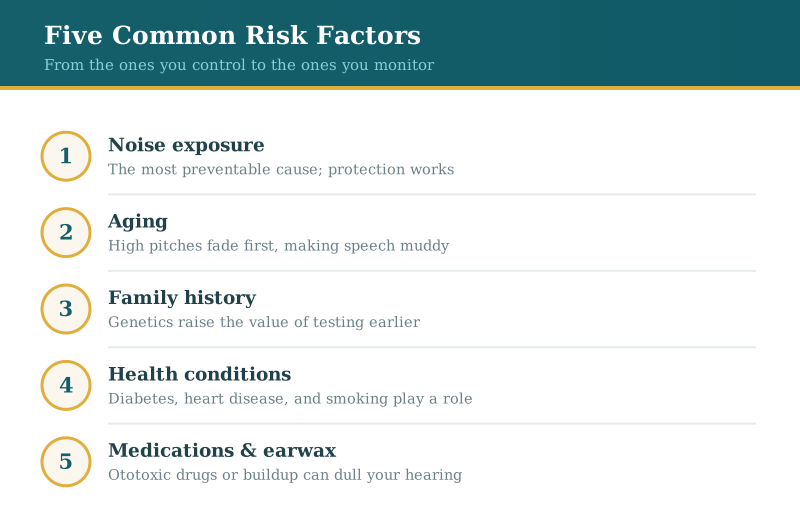
- Noise exposure is the most preventable cause of hearing loss, and protection genuinely works.
- Aging and family history shape your risk in ways you cannot change but can monitor.
- Health conditions such as diabetes and cardiovascular disease are linked to hearing changes.
- Mapping your own risk factors makes a baseline hearing evaluation far more worthwhile.
Noise, the part you can control
Loud sound is the risk factor you have the most power over, which is why it is worth naming first. Damage tends to build gradually from years of exposure, whether that is machinery, power tools, concerts, or earbuds turned up to drown out a commute. Noise-induced hearing loss is largely preventable, a point the CDC makes plainly. If loud environments are part of your work or your hobbies, custom hearing protection that actually fits is one of the highest-value moves you can make.
Age, and why it sneaks up
Hearing usually shifts with age, often starting with the high pitches that carry consonants, which is why speech can sound present but muddy. This kind of loss is common and gradual, and it is nothing to feel embarrassed about. It also responds well to treatment. Many people wait years longer than they need to, and modern hearing aids for seniors are far more discreet and capable than the ones a parent may have owned. Age is not a factor you can change, but the response to it is entirely in your hands.
What your family history tells you
Genetics play a real role. If close relatives lost hearing earlier than you would expect, or wore aids in their fifties and sixties, that pattern is worth mentioning to whoever tests your ears. Family history will not decide your future by itself, and it does not mean the same path is fixed for you. What it does is raise the value of testing earlier and checking in more regularly, so any change is caught while it is small.
When your health shows up in your ears
The ear depends on healthy blood flow and steady nerves, so several whole-body conditions leave a mark on hearing. Diabetes and cardiovascular disease have both been associated with hearing changes, and smoking is another recognized contributor. This is one reason we ask about general health during an evaluation rather than looking at the ears in isolation. Managing those conditions is good for your whole body, and your hearing quietly benefits alongside everything else.
Medications, earwax, and everyday culprits
A few risk factors hide in plain sight. Certain medications, sometimes called ototoxic, can affect hearing or set off ringing, so it is worth reviewing your prescriptions with a professional if you notice a change. Something as ordinary as impacted earwax can dull sound too, and that one is easily fixed with proper earwax removal rather than a cotton swab. New or persistent ringing deserves attention as well, and our overview of tinnitus explains when it is worth getting checked.
Turning your risk factors into a plan
Once you know which factors apply to you, the next step is small and low-stakes. A hearing evaluation gives you a baseline, and if any risk factors point to future change, regular checks make sure nothing slips by unnoticed. If you are not sure where you stand, our team at the San Mateo and San Carlos offices can walk through your history, test your hearing, and lay out plainly what the results mean for you.
Frequently asked questions
Questions patients ask us
Which hearing loss risk factor matters most?
For most people, noise exposure is both the biggest preventable factor and the easiest to act on. Aging and genetics carry real weight too, but you cannot change them, so protecting your ears from loud sound is where your effort pays off most directly.
Can I do anything about risk factors I inherited?
You cannot rewrite your genetics or your age, but you can respond to them well. Testing earlier, checking in regularly, and treating any loss promptly all keep you ahead of it. A hearing test turns an inherited risk into something you are actively watching.
Does having risk factors mean I will lose my hearing?
No. Risk factors raise the odds; they do not settle the outcome. Plenty of people with several factors keep good hearing for years, especially when they protect against noise and stay on top of their general health. The point of knowing them is to act early, not to worry.
When should I get a baseline hearing test?
If any of these factors apply to you, sooner is better, so there is a clear starting point to compare against later. Adults with noisy jobs, a family history, or conditions like diabetes especially benefit. You can reach out to us to set one up at either office.