


Hearing & Balance
That overlap is not a coincidence, and it is not a reason to panic either. Plenty of dizziness has nothing to do with your ears, and plenty of hearing loss never touches your balance. But the two do keep company often enough that clinicians pay attention when they appear together. Understanding how the inner ear does both jobs makes it easier to know when a wobble is worth mentioning to a professional.
If you have noticed changes in either direction, our team at the San Mateo & San Carlos offices can sort out what is going on. You can reach us to talk it through before anything worsens.
At a glance
- The inner ear houses both your hearing organ and your balance organs, side by side.
- Balance relies on three inputs: the inner ear, your eyes, and sensors in your joints.
- Dizziness and hearing changes sometimes share a cause, but often they do not.
- Sudden hearing loss with dizziness is a red flag that deserves prompt attention.
One inner ear, two jobs
Tucked behind the eardrum is a structure called the labyrinth. The spiral-shaped cochlea within it converts sound into nerve signals, which is the part most people picture when they think about hearing. Sharing the same fluid and the same nerve are the vestibular organs, three looping canals plus two small chambers that sense motion and gravity. When your head turns, fluid shifts and hair cells fire, telling your brain exactly how you moved. Hearing and balance are built from the same raw materials, so it makes sense that they sometimes falter together.
How your body actually keeps you steady
Balance is a team effort, not a single sense. Your brain blends three streams of information: what your eyes see, what the inner ear reports about head position, and what pressure sensors in your feet, ankles, and joints feel. When those signals agree, you feel steady without thinking about it. When one stream sends bad data, the mismatch can register as dizziness, unsteadiness, or a spinning sensation. The inner ear is only one contributor, but it is a loud one, so trouble there is quick to throw the whole system off.
When the inner ear sends mixed signals
If the vestibular side of the labyrinth is irritated, inflamed, or damaged, your brain receives motion information that does not match what your eyes and body report. That conflict is vertigo: a false sense that the room is moving. Some inner-ear conditions affect hearing and balance at once, while others touch only one. This is also why a plug of hardened wax pressing on the ear canal, addressed with earwax removal, can occasionally leave you feeling muffled and slightly unsteady at the same time.
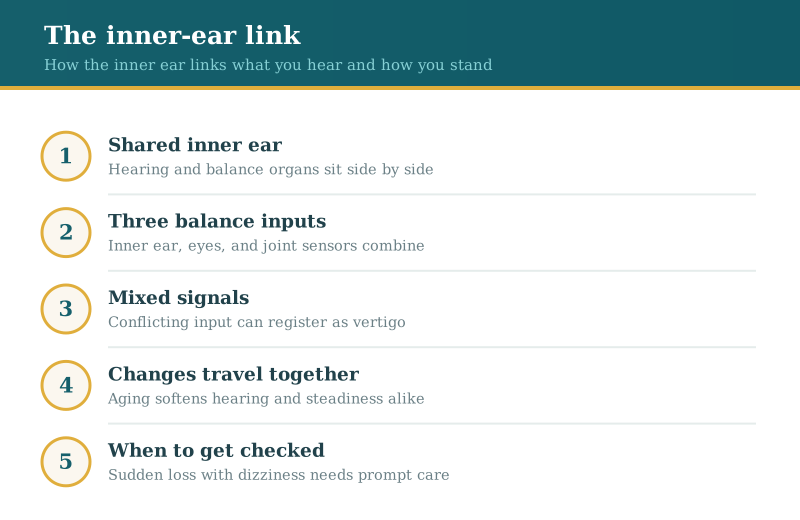
Why hearing and balance changes travel together
Because the two systems are neighbors, a single event can involve both. Aging gradually thins the hair cells in the cochlea and the vestibular organs alike, so it is common for balance confidence and hearing clarity to soften over the same years. That pattern is one reason hearing care for older adults often folds in a conversation about steadiness and fall risk. Certain infections, circulation problems, and inner-ear disorders can strike both functions together. Ringing in the ears can join the mix as well, and our tinnitus care team frequently sees it alongside balance complaints.
Signs worth getting checked
Most passing dizziness is harmless, but a few patterns deserve a professional look. Sudden hearing loss in one ear, especially paired with dizziness, is treated as urgent by audiologists and physicians. New vertigo that will not settle, a persistent feeling of fullness in one ear, or a wobble that has started causing near-falls all warrant an evaluation. The National Institute on Deafness and Other Communication Disorders describes balance disorders as a recognized medical category, so trust your instinct if something feels wrong rather than waiting it out.
What an evaluation looks like
A visit starts with listening to your story, because the timing and triggers of your symptoms tell us a great deal. From there we check your hearing thoroughly and, when balance is part of the picture, coordinate the right next steps, which may include tests focused on the vestibular system or a referral to a physician. The goal is a clear picture rather than a rushed guess. Whether the answer turns out to be your ears or something else entirely, our audiologists will explain what the findings mean and help you decide what to do next.
Hearing and your wider health
See how hearing connects to other conditions on our Hearing and Your Health page.
Frequently asked questions
What patients often want to know
Can hearing loss cause balance problems?
Not directly in most cases, but the two share the inner ear, so a single condition can affect both. Age-related changes also tend to soften hearing and steadiness over the same period. If you notice both slipping, it is worth having them looked at together.
Why do I feel dizzy when my ears are blocked?
A heavy plug of wax or fluid can press on the ear canal and subtly alter the signals your inner ear sends, which some people feel as light unsteadiness. Clearing the blockage, often with professional earwax removal, usually settles it. Lasting dizziness deserves a fuller evaluation.
Is sudden hearing loss with dizziness an emergency?
Treat it as urgent. Sudden hearing loss in one ear, particularly alongside dizziness, can respond better the sooner it is addressed. Contact a hearing professional or physician promptly rather than waiting to see if it passes on its own.
Who should I see about balance issues?
Start with an audiologist or your physician, depending on the symptoms. Our team can test your hearing and, when the inner ear may be involved, help coordinate the right balance testing or medical referral so nothing gets overlooked.