


Hearing Health Basics
The early signs tend to be small and easy to explain away. You turn the television up a notch. You catch most of a conversation at dinner but lose the punchline when the restaurant gets loud. You find yourself asking people to repeat themselves, or reading lips a little more than you used to. Any one of these on its own means little. Together, and over time, they are worth paying attention to.
Our audiologists in San Mateo and San Carlos see the full range of causes every week, from earwax to noise damage to the ordinary changes that come with age. This guide covers the ones we run into most, along with the signs that should prompt a visit. If something here sounds familiar, you are welcome to reach out and have it checked.
At a glance
- Hearing problems come from several different causes, and the right response depends on which one you have.
- Age and noise exposure are the two most common reasons hearing changes over time.
- Some causes, like earwax or an infection, are temporary and treatable once identified.
- Sudden hearing loss in one ear is a red flag that needs prompt medical attention.
Age-related change: the most common cause
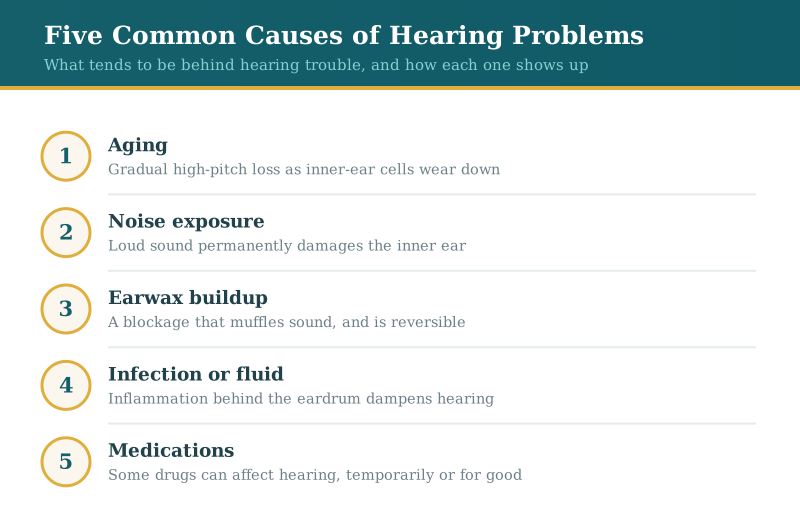
For most adults, the gradual shift that comes with age accounts for the bulk of hearing difficulty. The tiny hair cells in the inner ear wear down over a lifetime, and once they are gone they do not grow back. High-pitched sounds usually go first, which is why voices can seem present but muffled, and why consonants like s, f, and th get lost while vowels still come through. It is a normal part of getting older, and it responds well to well-fit hearing aids. If you are helping an older parent, our overview of hearing aids for seniors is a gentle place to begin.
Noise, loud and cumulative
Loud sound damages hearing in two ways: a single intense blast can injure the ear, and years of moderate noise can grind it down bit by bit. Concerts, power tools, firearms, lawn equipment, and a career on a loud job site all add up. The damage is permanent, but it is also one of the few causes you can prevent outright. The National Institute on Deafness and Other Communication Disorders notes that noise-induced hearing loss is entirely preventable with the right precautions. Custom hearing protection is worth it if loud sound is a regular part of your life.
Earwax and simple blockages
Not every hearing problem starts in the inner ear. Sometimes sound is being physically blocked before it gets there, and earwax is the usual culprit. A buildup can muffle everything, cause a feeling of fullness, and even set off ringing. This kind of loss is temporary. Once the blockage is cleared, hearing usually returns to where it was. It is worth having wax removed by a professional rather than digging at it with a cotton swab, which tends to pack it deeper. We handle this routinely with safe earwax removal.
Infections, fluid, and sudden changes
Ear infections and fluid behind the eardrum can dampen hearing, more often in children but in adults too. These usually clear up, though repeated infections deserve a closer look. One pattern demands urgency: a sudden, noticeable drop in hearing, especially in a single ear and often paired with ringing or dizziness. Sudden sensorineural hearing loss is treated as a medical emergency because prompt care improves the odds of recovery. If your hearing drops quickly, do not wait to see whether it comes back on its own. Get it evaluated right away.
Medications and underlying health
A number of common medications can affect hearing, including certain antibiotics, some chemotherapy drugs, and even high doses of aspirin. The effect is sometimes temporary and sometimes lasting, which is why it helps to mention any hearing changes to your doctor and pharmacist. Broader health conditions play a role as well. Diabetes and cardiovascular problems are both associated with hearing difficulty, a reminder that the ears are connected to the rest of the body. Ongoing ringing, or tinnitus, can accompany several of these causes and is itself a reason to have your hearing looked at.
How to tell it is time to get checked
The clearest sign is other people noticing before you do, whether that is family asking why the TV is so loud or a spouse tired of repeating themselves. Trouble following conversation in noisy rooms, a sense that people are mumbling, or ringing that will not settle are all worth a professional's read. A hearing evaluation is quick, comfortable, and puts a name to whatever is happening, and from there the path is usually clear. You can meet our audiologists and book a visit whenever you are ready; there is no downside to simply knowing where your hearing stands.
Frequently asked questions
A few questions worth asking
What is the single most common cause of hearing loss?
For adults, age-related change is the most common. The inner ear's hair cells wear down over the years, and high-pitched sounds usually fade first. It comes on so gradually that many people do not register it until conversations in noise start to feel like work.
Can hearing loss be reversed?
It depends entirely on the cause. Loss from earwax, an infection, or fluid is often temporary and clears once the cause is treated. Loss from aging or noise damage is permanent, but it is managed very effectively with well-fit hearing aids. A hearing test is what tells the two apart.
Is ringing in my ears a sign of a hearing problem?
It can be. Ringing, or tinnitus, often shows up alongside hearing loss and can also point to earwax, noise exposure, or certain medications. It is a signal worth investigating rather than tuning out, so it is a good reason to have your hearing evaluated.
When should I worry about sudden hearing loss?
A quick, noticeable drop in one ear, particularly with ringing or dizziness, should be treated as urgent. Sudden sensorineural hearing loss responds best to prompt care, so contact us or seek medical attention the same day rather than waiting to see if it passes.