


Buying Hearing Aids
An audiologist starts with a hearing test and builds the settings around your specific loss, then keeps refining them as your ears adjust. Retail and mail-order routes trade that hands-on tuning for a lower price and more convenience. Both can leave you hearing better; they get you there differently, and the gap shows up most in the weeks after the purchase.
Where an audiologist earns their keep is in the fitting and follow-up, not the sale itself. If your loss is straightforward and you are comfortable managing the setup yourself, an over-the-counter pair may serve you well. If it is more involved, or you want someone to verify the fit and adjust it over time, professional care is worth the difference. Our team is glad to explain the trade-offs without a hard sell.
At a glance
- Buying from an audiologist mainly buys expertise in fitting and follow-up, not just the device.
- Over-the-counter and online hearing aids can suit straightforward mild-to-moderate loss.
- Professional fitting matters most for complex loss, verification, and ongoing adjustments.
The audiologist's real value: fitting, not the sale
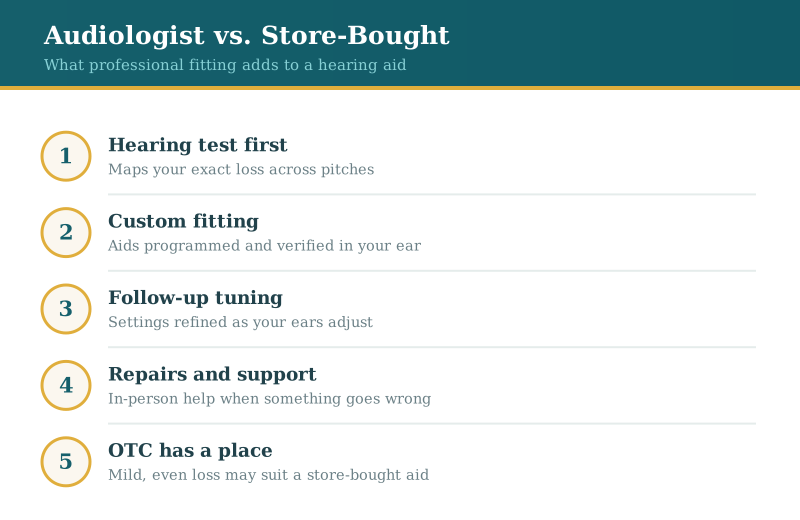
The device on a pharmacy shelf and the one in an audiologist's office can rely on the same technology. The difference is what happens to it after you own it. A hearing aid fitting programs the aid to your exact loss across pitches, verifies the sound reaching your eardrum, and accounts for the shape of your ear canal. Two people with nearly identical test results can need noticeably different settings, and getting that right is skilled work rather than picking from a menu.
Where retail and online options make sense
Over-the-counter hearing aids are now legal for adults with perceived mild to moderate loss, and for the right person they are a sensible entry point. They cost less, you can start the same day, and self-fitting apps handle basic tuning reasonably well. If your loss is mild, fairly even across pitches, and you do not mind troubleshooting an app, a store-bought or mail-order pair may cover you. The catch is that you become the fitter too, and self-assessment tends to miss things a proper test would catch.
Follow-up care and the weeks after you buy
New hearing aids rarely feel right on day one. Your brain has to relearn sounds it has been missing, and the settings usually need a few rounds of adjustment before speech feels natural. This is where in-person care pulls ahead of a box on a shelf. An audiologist retunes the aids as your ears settle, handles repairs and maintenance, and catches problems like whistling feedback or a poor seal. With most online sellers, that follow-up is a phone line or a return window.
Matching the choice to your hearing
A better question than "which is better" is "better for whom." Mild, straightforward loss in someone who enjoys managing their own gadgets leans toward over-the-counter. More severe or lopsided loss, persistent ringing, limited dexterity or vision, or a history of ear trouble all lean toward professional care, because the fitting and the range of devices matter more. A hearing evaluation is the cleanest way to learn which description fits you, and it stays useful even if you end up buying over the counter.
Cost, insurance, and what you're paying for
Sticker price is only part of the math. Over-the-counter aids cost less up front, while buying through an audiologist folds the professional time, verification, and follow-up visits into the price. Some insurance plans put money toward aids purchased through a provider, which can narrow the gap. When you compare, look at what each price actually buys: a device alone, or a device plus the person who tunes and maintains it. For many people with more than mild loss, that ongoing support is the part that keeps the aids in their ears instead of a drawer.
Frequently asked questions
What patients often want to know
Is a hearing aid from an audiologist better than an over-the-counter one?
It depends on your hearing. The devices themselves can be similar; what differs is the fitting and the support around them. For mild, straightforward loss, a well-chosen over-the-counter aid can serve you well. For more complex or uneven loss, the professional tuning tends to make a real difference in how much speech you actually understand.
Can I get my hearing tested without committing to buying from the audiologist?
Yes, and it is a smart move no matter where you plan to buy. A test shows the shape and degree of your loss, which many people are surprised by. You can take that information into an over-the-counter purchase or use it to fit a prescription aid. There is no obligation to buy anything on the spot.
What if I already bought an online hearing aid and it isn't working well?
Bring it in for a look. An audiologist can check the fit, run a hearing test to see whether the device matches your loss, and suggest adjustments. Sometimes the aid is fine and the settings are simply off; sometimes the loss needs more than that device can deliver. Either way, you will leave knowing where you stand.