


Causes & Conditions
Why does the distinction matter? Because some of these causes are treatable, reversible, or even urgent, and the right first move depends on which one you are facing. Impacted earwax can be cleared in a single visit. A sudden drop in one ear can be a medical emergency. Naming the cause is the point of a good hearing evaluation, not just measuring how much you have lost.
So it is worth knowing what else can dial down your hearing beyond age and noise. None of this is meant to alarm you. It is meant to help you recognize the signs that deserve a professional look rather than a shrug.
At a glance
- Age and noise are common, but not the only causes worth knowing.
- Certain medications, called ototoxic drugs, can affect hearing or balance.
- Otosclerosis, autoimmune disease, and Ménière's are less common but treatable causes.
- Sudden hearing loss in one ear is a red flag that needs prompt care.
Medications that can affect the ear
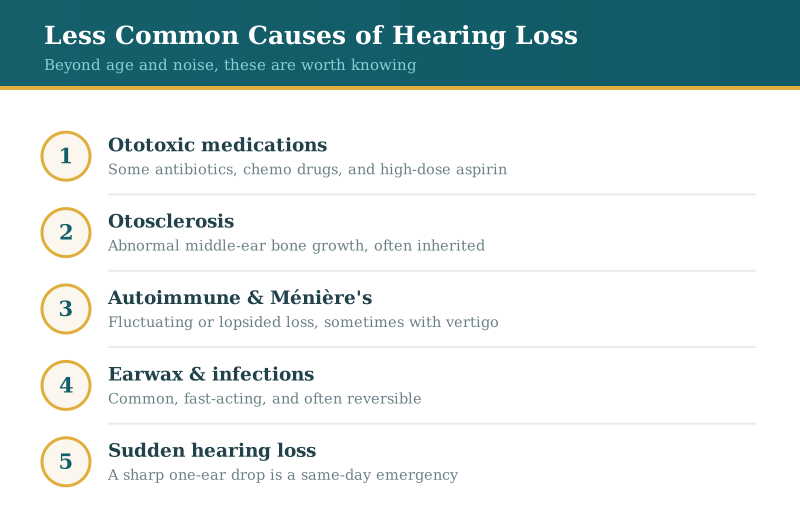
Some drugs are known to be ototoxic, meaning they can harm the inner ear or the nerve that carries sound. High doses of certain antibiotics, some chemotherapy agents, a few diuretics, and very large amounts of aspirin sit on that list. For most people taking these medicines the risk is small and the benefit is real, so this is not a reason to stop anything on your own. It is a reason to mention new ringing, muffling, or dizziness to your prescriber and to have your hearing tested so any change is caught early.
Otosclerosis and other structural causes
Otosclerosis is an abnormal growth of bone in the middle ear that keeps the tiny hearing bones from moving freely. It often runs in families, tends to show up in early to mid adulthood, and usually comes on gradually in one or both ears. The reason it deserves its own mention is that it is a mechanical problem, which means treatment options can include surgery or well-fit hearing aids rather than only amplification. A thorough evaluation can tell whether the trouble sits in the middle ear or the inner ear, and that answer shapes everything that follows.
When the immune system is involved
Autoimmune inner ear disease is uncommon, but it has a distinctive pattern: hearing that drops over weeks to months, sometimes in both ears, occasionally alongside other autoimmune conditions. Because it can respond to prompt medical treatment, recognizing the pattern early genuinely matters. Ménière's disease belongs in this neighborhood too, pairing fluctuating hearing loss with vertigo, a feeling of fullness, and tinnitus. These conditions are worth naming so you know that fluctuating or lopsided hearing is not something to wait out.
Infections, injury, and things you can clear
Not every cause is exotic. Impacted earwax is one of the most common reasons hearing seems to fade quickly, and it is often fixed in one appointment with professional earwax removal. Ear infections, a perforated eardrum, and head injury can all lower hearing, sometimes temporarily. Certain viral illnesses, including mumps and measles, can damage hearing as well, which is one quiet argument for staying current on vaccines. The common thread is that these causes act faster than age-related loss, so a sudden or one-sided change should prompt a call rather than a wait.
Sudden hearing loss is an emergency
One pattern deserves its own paragraph because timing changes the outcome. If hearing drops sharply in one ear over hours or a day or two, that is sudden sensorineural hearing loss, and it is treated as an urgent problem. According to the National Institute on Deafness and Other Communication Disorders, prompt treatment improves the odds of recovery, so this is not a symptom to sleep on. Do not assume it is wax or a passing cold. Contact a physician or an audiologist the same day; the window for the best response is measured in days, not weeks.
Finding the cause, not just the loss
Pinning down which of these you are dealing with is exactly what an audiologist does. A careful history, a look in the ear canal, and a full hearing test usually point clearly toward the cause, and toward whether the next step is medical referral, earwax removal, or a conversation about devices. If something looks like it belongs to a physician, we say so and help you get there. When you are ready, our team can sort the common from the uncommon and tell you plainly what your results mean. You can reach either office to start.
Frequently asked questions
Your questions, answered
Can medications really cause hearing loss?
Yes, some can. Certain antibiotics, chemotherapy drugs, strong diuretics, and very high doses of aspirin are known to be ototoxic. The risk is usually small and often worth the benefit of the medicine, so never stop a prescription on your own. Instead, report any new ringing, muffling, or dizziness to your prescriber and have your hearing checked.
What is otosclerosis?
It is an abnormal growth of bone in the middle ear that stops the small hearing bones from moving as they should. It often runs in families and usually comes on gradually. Because it is a mechanical problem, options can include surgery or well-fit hearing aids, so a full evaluation is the sensible first step to learn which fits your case.
My hearing dropped suddenly in one ear. What should I do?
Treat it as urgent. A sharp drop in one ear over hours or a day or two can be sudden sensorineural hearing loss, and prompt treatment improves the chance of recovery. Do not assume it is earwax or a cold. Contact a physician or an audiologist the same day rather than waiting to see if it passes.
Could my hearing loss just be earwax?
Sometimes, yes. Impacted earwax is a common and very fixable reason hearing seems to fade, and professional earwax removal often clears it in one visit. A quick look in the ear canal tells us whether wax is the culprit or whether something else is going on, so it is an easy thing to rule in or out.