


Ear Health
Most itchy ears come down to skin and wax. The ear canal is lined with thin, sensitive skin and a small amount of protective earwax, and anything that dries it out, overloads it, or inflames it can set off that maddening tickle. Some causes clear up with a change of habit; others are worth having a professional look at.
This walk-through covers the usual reasons ears itch, a few less obvious ones, and the habits that make things worse. If the itching lingers or comes with pain, drainage, or muffled hearing, that is your cue to book a hearing evaluation at our San Mateo or San Carlos office rather than wait it out.
At a glance
- Dry canal skin and either too little or too much earwax are the most common triggers.
- Cleaning with cotton swabs tends to make itching worse, not better.
- Skin conditions like eczema, allergies, and moisture from swimming can all play a part.
- Itching paired with pain, discharge, or hearing changes deserves a professional look.
Dry skin in the canal
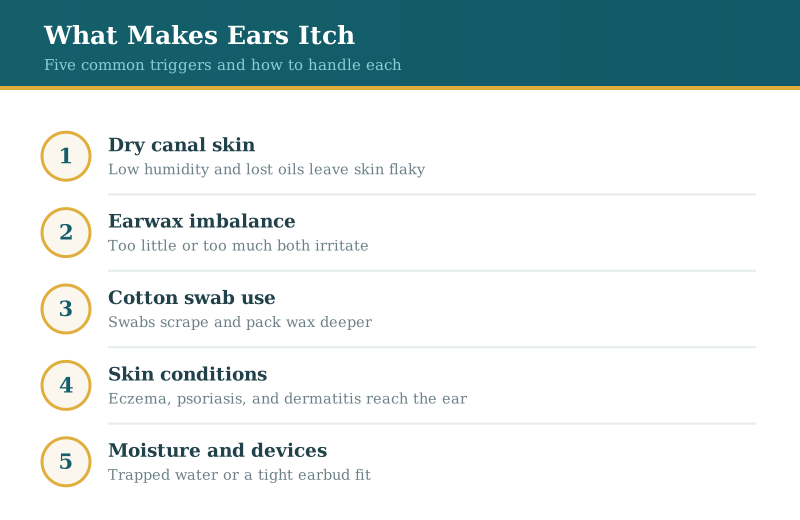
The skin inside your ear can get dry and flaky for the same reasons the skin on your hands does: cold air, low humidity, aging skin, and stripping away natural oils. When that lining loses moisture, it tightens and itches. Ironically, the harder you scratch or clean, the drier and more irritated it gets, which keeps the cycle going. A dab of moisture from a clinician-recommended ear drop or a bit of mineral oil at the opening can help, but avoid pushing anything deep into the canal. Our companion piece covers what to do about a dry, flaking canal in more detail, including the skin conditions that cause it.
Too little or too much earwax
Earwax gets a bad reputation it does not fully deserve. It moisturizes the canal, traps dust, and guards against bacteria, so when there is too little of it, the skin dries and itches. At the other extreme, a heavy buildup can press on the canal walls and trap moisture, which also brings on itching along with fullness or muffled hearing. Both problems are common and both are treatable. Professional earwax removal clears a stubborn buildup safely, without the scraping and packing that home tools tend to cause.
The cotton swab trap
Reaching for a cotton swab feels like the obvious fix, and it is the one habit most likely to keep you itchy. Swabs push the bulk of the wax deeper while scraping the delicate canal skin, and that irritation reads as more itch, which invites more swabbing. The old rule holds: nothing smaller than your elbow belongs in your ear canal, and cotton swabs are meant for the outer ear at most. If you feel blocked, let a professional clear it instead of digging.
Eczema, psoriasis, and dermatitis
Chronic skin conditions do not stop at the edge of the ear. Eczema, seborrheic dermatitis, and psoriasis can all show up in and around the canal, bringing flaking, redness, and a deep itch that ordinary cleaning will not touch. Contact dermatitis is another culprit, triggered when the skin reacts to something it touched, from shampoo and hair spray to metal earrings. If the skin around your ears is also dry or scaly, a skin-related cause is worth raising with your doctor or audiologist.
Allergies, moisture, and irritants
Seasonal allergies can leave the ears feeling itchy alongside a runny nose and watery eyes. Water is another factor: moisture trapped after swimming or showering softens the canal skin and creates a setting where irritation and infection take hold, the classic swimmer's ear pattern. If you spend real time in the water, custom swim plugs keep the canal drier and calmer. Everyday products matter too, since perfumes, soaps, and even certain foods can set off an itch in sensitive people.
When devices are the source
If you wear earbuds or hearing aids, the itch may be coming from the fit rather than your skin. A dome or earmold that sits too tight, traps heat and sweat, or is made from a material your skin reacts to can leave the canal irritated after a few hours of wear. Keeping the pieces clean and dry helps, and so does a fresh look at the fit. Our team can adjust or refit your hearing aids so they seal well without rubbing, and swap dome styles or materials if a sensitivity is at play.
When to have it checked
An occasional itch that settles on its own is nothing to worry about. Reach out when the itching sticks around for more than a week or two, keeps coming back, or arrives with pain, drainage, bleeding, odor, or a drop in hearing. Those signs can point to an infection, an impaction, or a skin condition that needs targeted care rather than guesswork. You can start with a straightforward hearing and ear check, and our audiology team will look, explain what they find, and treat the cause instead of the symptom.
Frequently asked questions
What patients often want to know
Why do my ears itch more at night?
A few things line up after dark. You are still and less distracted, so a low-grade itch you ignored all day becomes hard to miss, and dry indoor heat or a warm pillow can dry the canal skin further. If the nighttime itch is regular and stubborn, have the canal checked for dryness or a wax buildup rather than scratching yourself to sleep.
Is it safe to scratch inside my ear?
Fingers and cotton swabs do more harm than the relief is worth. The canal skin is thin and tears easily, and every scratch invites more irritation, more itch, and a route in for bacteria. If you need to relieve an itch, gently rub the outer ear or the area just behind it, and let a professional clear anything that feels blocked deeper in.
Can earwax really cause itching?
It can, and in both directions. Too little wax leaves the canal dry and prone to itching, while a heavy buildup traps moisture and presses on the canal walls, which itches too and often muffles sound. Because the fix differs for each, it helps to have the ear looked at before treating it. Professional earwax removal clears an impaction without the damage home tools cause.
My new hearing aids make my ears itch. Is that normal?
A short adjustment period is common as your ears get used to something new in the canal, but ongoing itching is a signal, not a given. It usually means the fit is too tight, moisture is getting trapped, or your skin is reacting to the dome material. Bring the devices in and we can refit them or change the components so wear stays comfortable.
When should itchy ears prompt a visit?
Book a visit when the itch lasts beyond a week or two, keeps returning, or comes with pain, discharge, bleeding, odor, or muffled hearing. Those combinations can mean infection, impaction, or a skin condition, and each needs its own treatment. If you are unsure, reach out and we will help you decide whether it needs attention.