


Hearing Aid Pricing
Part of the confusion is that two clinics can quote very different numbers for the same pair of devices, and both can be fair. The gap usually comes down to what is folded into the price: the fitting, the follow-up visits, the adjustments over the next few years. So the useful question is rarely 'can I get a discount' but 'what am I paying for, and can any of it be separated out.'
Insurance and benefit plans change the math too, sometimes a great deal, and they are the first place worth looking before you think about negotiating anything. Our team in San Mateo and San Carlos is glad to break a quote down line by line so you can see where the real flexibility sits.
At a glance
- Clinics rarely haggle, but hearing aid pricing has real flexibility once you see what a quote includes.
- Bundled pricing folds fittings and years of follow-up into one figure; unbundled itemizes them.
- Check insurance, HSA/FSA funds, and manufacturer or membership discounts before assuming the sticker is final.
What the price really buys
A hearing aid price is two things wearing one number. There is the device itself, the tiny computer that sits in or behind your ear, and there is everything a professional does to make it work for your ears specifically. The second part is easy to underestimate. It covers the hearing evaluation, the programming of the devices to your exact hearing profile, and the fitting appointments where small adjustments turn a generic amplifier into something you actually want to wear. When a quote looks high, that service tail is often why.
Bundled and unbundled pricing, side by side
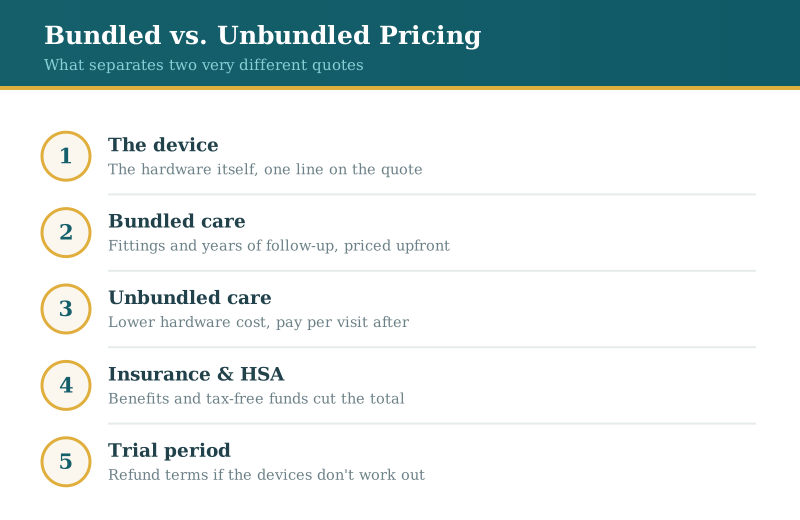
Most clinics price one of two ways. Bundled pricing rolls the devices and a set span of care, including fittings, cleanings, and follow-up adjustments, into a single upfront figure. Unbundled pricing separates them: you pay less for the hardware, then pay per visit or per service afterward. Neither is a trick. Bundled suits people who want everything handled with no surprise bills and expect to lean on their audiologist often. Unbundled can cost less overall for someone low-maintenance who rarely needs adjustments. The mistake is comparing a bundled quote from one office against an unbundled quote from another and assuming the cheaper sticker is the better deal, when you may just be looking at fewer included visits.
Where there is genuine room to move
Straight discounts on the device price are uncommon, but several levers are real. Choosing a slightly older technology level, or a mid-tier model instead of the flagship, can drop the price with little difference for many everyday listeners. Asking whether the clinic offers an unbundled option, if you were only quoted a bundle, sometimes lowers the entry cost. And many manufacturers and clinics honor discounts tied to memberships, veteran status, or professional groups. It helps to ask what the full range of hearing aids spans, from entry level to premium, before settling on the first pair you are shown.
Insurance, HSAs, and other funding
Before you try to talk a number down, find out how much of it someone else may cover. Some health plans include a hearing aid benefit or allowance; others cover the evaluation but not the devices. It is worth reading the fine print, or letting us check for you, since the details vary widely. Our insurance and financing overview is a starting point. Health savings and flexible spending accounts can usually be applied to hearing aids too, which effectively discounts them by your tax rate. Payment plans spread the cost without changing the total.
Questions worth asking before you buy
A few plain questions reveal more than any haggling. Ask exactly what is included and for how long: how many follow-up visits, whether cleanings and repairs are covered, and what happens when the warranty ends. Ask about the trial period and the refund terms if the devices do not work out. Ask whether the same model is available both bundled and unbundled. Clear answers to those tell you whether a price is fair far better than a percentage off ever could.
Frequently asked questions
Questions patients ask us
Can I actually haggle over hearing aid prices?
Not in the way you would at a car lot. Most audiology offices set prices around a package of devices plus professional care, and that structure does not leave much room for straight haggling. Where you do have leverage is in choosing the technology level, asking about unbundled pricing, and making sure any benefits and discounts are applied.
Why do two clinics quote such different prices for the same hearing aid?
Usually because they are not really quoting the same thing. One price may include years of follow-up visits, adjustments, and cleanings; the other may cover only the fitting. Comparing them fairly means asking each office what the number includes and for how long, not just which sticker is lower.
Is bundled or unbundled pricing better?
It depends on how much support you expect to need. Bundled pricing tends to suit people who want everything handled and plan to see their audiologist regularly. Unbundled can save money for someone who rarely needs adjustments. Neither is inherently cheaper, so the right choice follows your habits.
Does insurance cover any of the cost?
Sometimes, and it is worth checking first. Coverage ranges from a full hearing aid benefit to nothing at all, with many plans covering the evaluation but not the devices. HSA and FSA funds can also be applied. If you are unsure what your plan allows, our team can help you sort out the details before you commit.