


Hearing Aid Costs
Two forces set that price. One is the technology packed inside the hearing aid itself — how many channels it uses, how cleverly it handles noise, whether it streams from your phone. The other is the professional care wrapped around it: the testing, fitting, and follow-up that turn a tiny computer into something tuned to your ears.
Neither the cheapest nor the priciest option is automatically right. The pair that fits you depends on how much loss you have and where you spend your days, which is why a hearing test makes a better starting point than a price comparison.
At a glance
- Hearing aid prices reflect two things: the technology inside and the professional care around it.
- Higher tiers mainly buy better performance in noisy, complex listening situations.
- A basic or mid tier can be an excellent fit for quieter, simpler routines.
- A clinic price usually bundles evaluation, fitting, and follow-up, not just the devices.
Two things drive the price
Every hearing aid price is really two prices folded together. Part of it covers the device — the miniature computer, the microphones, and the software doing the listening. The rest covers people and process: the evaluation, the fitting, and the follow-up visits that make the device work for your ears. Cheap and expensive aids can differ on either front, so telling the two apart is the first step toward spending well on hearing aids.
How technology tiers work
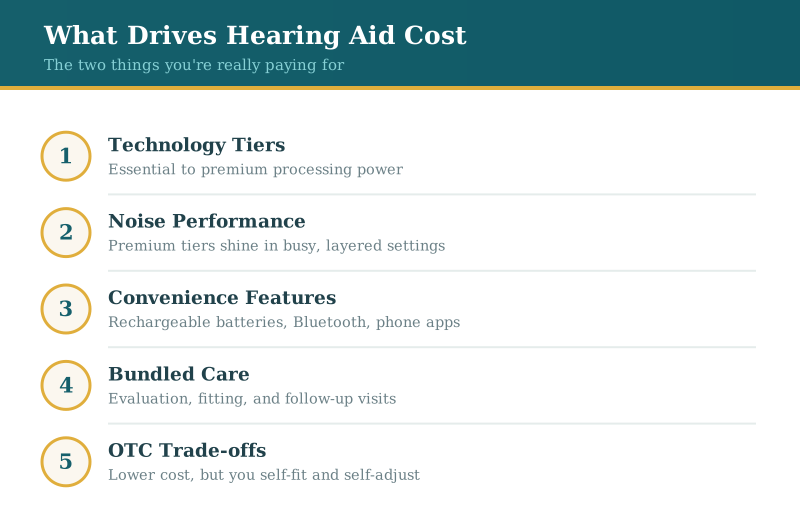
Manufacturers usually sell the same model family in tiers, often labeled something like essential, standard, advanced, and premium. Moving up the ladder adds processing power: more channels to shape sound precisely, faster automatic adjustments, and smarter handling of background noise. A basic tier can be a genuinely good fit if most of your listening happens in quiet rooms. The premium tier earns its keep in harder places — restaurants, meetings, crowded family gatherings — where the sound is layered and always shifting.
Where premium features earn their keep
The clearest payoff from higher tiers shows up in noise. Better directional microphones can lock onto the voice in front of you while trimming the clatter around it, and stronger noise reduction keeps steady sounds like fans or road hum from swallowing speech. If your days run one-on-one in calm settings, you may rarely notice the difference. If you juggle group conversations and busy venues, that extra processing can be the line between following along and nodding politely.
Extras that are convenient, not core
Some of what lifts a price tag is comfort rather than clarity. Rechargeable batteries spare you the fiddly disposables. Bluetooth streaming pipes phone calls and television straight into your ears. A smartphone app lets you nudge settings yourself. These features are genuinely useful, and many people love them, but they sit on top of the core hearing benefit — worth paying for when they fit your life, easy to skip when they do not. You can compare what each maker offers on our hearing aid brands page.
The care wrapped into a clinic price
When you buy from an audiology practice, the price rarely covers hardware alone. It typically bundles a hearing evaluation, a professional fitting tuned to your specific loss, and a stretch of follow-up visits to fine-tune the settings as you adjust. Cleanings, adjustments, and repairs often fall under the same umbrella. That bundled service is a large part of what separates a clinic price from a bare online listing, and it tends to decide whether the devices get worn or end up forgotten in a drawer.
Cheaper routes and what they trade away
Over-the-counter and online hearing aids have made a lower-priced path real, and for some adults they can help. OTC hearing aids are intended for adults with perceived mild to moderate loss and are designed to be self-fitted, as ASHA's breakdown of hearing aid types explains. The trade is service: you set them up yourself, without a professional matching the sound to your test results, and follow-up rests on you. For straightforward needs and a comfortable do-it-yourself streak, that can work fine. For more involved loss, or if you would rather not tune anything on your own, the guided route usually pays off.
Matching the tier to your life
The right spend is less about buying the most and more about matching the device to how you live and listen. A quiet, mostly-at-home routine may be well served by a modest tier. A packed calendar of meetings, dining out, and travel often justifies stepping up. An honest talk about your daily listening — where you struggle, what you want back — points to the tier that fits, without paying for power you will not use or shortchanging ears that need more. That is the conversation our team in San Mateo and San Carlos has every day.
Frequently asked questions
Your questions, answered
Are expensive hearing aids always the better choice?
Not for everyone. A premium device shines in noisy, shifting places, but if your listening is mostly quiet and one-on-one, a mid or basic tier can serve you just as well for less. The right choice is the one matched to your hearing and your routine, not the one with the biggest price tag.
What does the extra money in a premium hearing aid buy?
Mostly processing power aimed at difficult sound. Higher tiers add more channels, quicker automatic adjustments, and stronger noise handling, along with conveniences like rechargeability and Bluetooth. The core listening help exists at every tier; the premium is for performance in the hardest situations.
Are over-the-counter hearing aids a good deal?
For the right person, they offer real savings. Adults with mild to moderate loss who are comfortable setting things up themselves can do well with OTC devices. What you trade away is professional fitting and follow-up, so a more involved loss usually benefits from guided care.
Is the price at a clinic just for the devices?
A clinic price rarely covers hardware alone. It usually folds in your evaluation, a fitting tuned to your test results, and follow-up visits to adjust the settings over time. Much of the value lives in that ongoing care, which keeps the devices working well long after you take them home.
How do I figure out which tier I need?
Start with a hearing test and an honest look at your daily life. Where do you strain to hear — restaurants, meetings, the phone? A hearing evaluation paired with that picture lets us point you to a tier that fits, and you are welcome to reach out to talk it through.