


Hearing Aid Technology
Rechargeable hearing aids hold a built-in cell that tops up in a charging case, much like a phone. Battery-powered models use disposable zinc-air batteries you replace every several days to a week, depending on the size of the device and how hard it works.
Neither one hears better than the other, since the sound quality comes from the technology inside rather than the power source. The differences that matter are practical ones, and that is where a side-by-side look can help you and your audiologist land on the right fit.
At a glance
- Rechargeable hearing aids charge overnight in a case; battery-powered models run on disposable zinc-air cells you swap out.
- Sound quality is the same either way — the power source does not change how well you hear.
- Rechargeables spare you handling tiny batteries; disposables give you instant backup power anywhere.
- The best choice depends on your dexterity, routine, and travel habits, not on which technology is newer.
How each one keeps the sound going
A rechargeable hearing aid carries a sealed lithium-ion cell inside its shell. You set the pair in a charging case at bedtime, and by morning they are ready for a full day of listening. A battery-powered model instead uses a small zinc-air battery that sits behind a little door; when it drains, you pop in a fresh one. Across the major brands we fit, you will find both power styles offered on comparable technology.
The pull of rechargeable
For many people the appeal is simple: no more handling batteries the size of a shirt button. You charge the case, and a full night gives you a full day, with a quick top-up buying a few extra hours if you forget. There is nothing to buy, store, or recycle, and no fiddly door to open with cold or stiff fingers. If you already like the rhythm of charging a phone each night, rechargeable devices slot into that habit without much thought.
Where disposable batteries still make sense
Disposable batteries have not gone anywhere, and for good reason. When one dies you are back in business in under a minute, with no waiting for a charge, which is handy on a long trip or a day away from an outlet. They also tend to appear in some of the smallest, most discreet devices, since there is no charging circuit to house. And if you ever forget to charge, a spare battery in your pocket beats a hearing aid that will not turn on.
Handling, eyesight, and steady hands
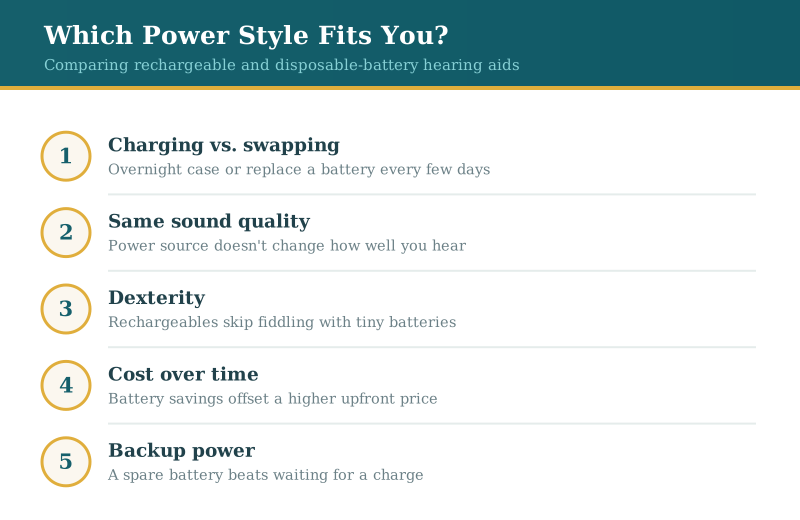
This is where the choice gets personal. Zinc-air batteries are tiny, and swapping them asks for a fair amount of finger dexterity and decent close-up vision, a real hurdle for some. Rechargeables sidestep that: you drop the whole aid into a molded slot, which is much easier to feel your way through. For anyone weighing hearing aids for seniors, or living with reduced dexterity, this often tips the scale toward rechargeable.
The cost picture over several years
Up front, rechargeable models sometimes cost a little more because the charger and cell are built in. Over the years, though, you skip the steady expense of buying disposable batteries, so the gap tends to narrow. Keep one thing in mind: a built-in rechargeable cell slowly loses capacity and eventually needs replacing, which a good repair and service plan handles. Disposable-battery devices have no such cell to wear out, though the batteries stay a small recurring cost.
When the power runs low
It helps to picture how each behaves at empty. A rechargeable that dies mid-afternoon needs time on the charger, though many cases are portable and give a fast partial charge; fifteen minutes can carry you through dinner. A disposable-battery aid gives you a low-battery chime and a swap that takes seconds, provided you carry spares. The trade is really about whether you would rather manage a charging routine or keep a small stash of batteries on you.
Matching the choice to your week
The clearest way to decide is to look at your actual days. If you are home near an outlet, value simplicity, and would rather not handle tiny parts, rechargeable is a comfortable default. If you travel to places without reliable power, want the most discreet device possible, or prefer the certainty of a spare in your pocket, disposables earn their keep. Bring your routine to your fitting appointment and we will match the power style to it, the same way we match the right test and technology to your hearing.
Frequently asked questions
A few questions worth asking
Do rechargeable hearing aids last a full day on one charge?
In most cases, yes. A full overnight charge typically powers a modern rechargeable through a normal day of listening, streaming included, with some to spare. Heavy Bluetooth streaming shortens that window, so if you stream audio for hours at a stretch, ask your audiologist how a specific model holds up.
How long do disposable hearing aid batteries last?
It varies with the battery size and how hard the device is working, but a common range is several days to about a week. Smaller batteries in smaller aids run down faster, and streaming draws them down quicker too. Keeping a few spares on hand means a dead battery is never more than a minute's inconvenience.
Can I switch from one type to the other later?
Not on the same device, since a given hearing aid is built as either rechargeable or battery-powered. When it is time for your next pair, though, you are free to choose differently, and plenty of people do once they have lived with one style for a while.
What happens to a rechargeable battery after a few years?
Like any rechargeable cell, it gradually holds less charge over time. After several years you may notice it no longer lasts a full day, at which point the cell can be replaced during service rather than requiring a whole new device. Our team can check it as part of routine maintenance.
Which type do you recommend?
It depends on your hands, your habits, and where your days take you, so we hold off on a blanket recommendation until we understand your routine. We will talk it through at your visit and, if you like, let you handle both types so the choice feels concrete. You are welcome to reach out with questions before you decide.