


Tinnitus Care
Often the hard part is the path to help rather than the sound itself. One person gets bounced from a family doctor to an ENT and back again; another buys a supplement online that changes nothing. Real tinnitus care exists, but reaching it takes knowing what to ask for and who is equipped to provide it. Audiologists and physicians each have a role, and the two work best in tandem.
At California Hearing Center, tinnitus care is a core part of what we do, and we begin every case the same way: by understanding your hearing and your history before anyone talks about treatment. A tinnitus evaluation is where the fog starts to lift.
At a glance
- Good tinnitus care starts with a thorough hearing and tinnitus evaluation, not a quick screen.
- Simple causes like earwax or a medication side effect are worth ruling out first.
- A few patterns — one-sided ringing, pulsing tinnitus, sudden hearing loss — need prompt medical attention.
- Evidence-based care aims to manage tinnitus and reduce its distress, not to promise a cure.
Begin with a full evaluation
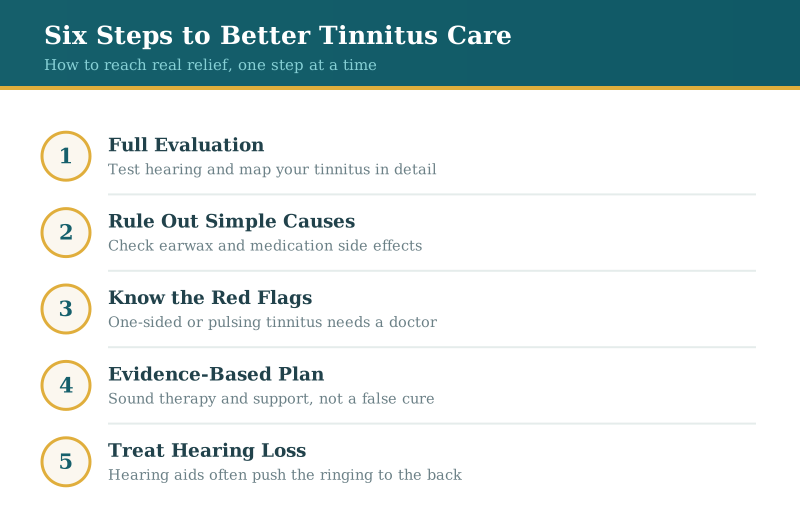
The single most useful step is a proper evaluation, and it should cover far more than a quick hearing screen. A thorough workup measures your hearing across the full range, checks how your ears are functioning, and asks detailed questions about when the sound started, what it sounds like, and how much it intrudes on your sleep, focus, and mood. Because tinnitus and hearing loss so often travel together, a hearing test is usually the foundation of the whole plan. Skip this step and everything after it becomes guesswork.
Rule out the causes with simple fixes
Some tinnitus has a straightforward explanation worth catching early. A plug of wax pressing against the eardrum can set off ringing that clears once it is gone, so earwax removal is an easy thing to check off the list. Certain medications carry tinnitus as a side effect, and a short conversation with your prescriber can sort that out. Neither fix is guaranteed, but both cost little to investigate and occasionally solve the problem outright.
Know the red flags that need a doctor
Most tinnitus is not dangerous, but a few patterns call for prompt medical attention rather than a routine appointment. Ringing in only one ear, tinnitus that pulses in time with your heartbeat, or a sudden drop in hearing alongside the noise should send you to a physician quickly. Dizziness or facial weakness paired with tinnitus deserves the same urgency. A good audiologist recognizes these signs and points you toward the right doctor without delay.
Ask what an evidence-based plan includes
Once serious causes are off the table, ask any provider to spell out their plan. Sound tinnitus care leans on approaches with genuine support behind them: education, sound therapy that makes the ringing less noticeable, and structured methods for easing the distress it brings. Understanding how tinnitus works is part of the treatment itself, because the sound tends to bother you less once it stops feeling like a threat. Be wary of anyone promising a guaranteed cure or selling a pricey device with nothing to back it up.
Treat any hearing loss in the picture
When tinnitus arrives with hearing loss, treating the hearing often quiets the tinnitus as a welcome bonus. Bringing back the sounds you have been missing gives your brain more to listen to, which tends to push the internal noise into the background. For many people, well-chosen hearing aids do double duty here. It will not happen for everyone, yet it is a large reason the hearing evaluation matters and why hearing and tinnitus are best handled under one roof.
Choose a provider who stays with you
Tinnitus care is rarely one and done. The most helpful providers check in, adjust the plan, and stay reachable when a flare-up rattles you, and that ongoing relationship matters more than any single visit. Our team in San Mateo and San Carlos treats tinnitus as a central part of the practice rather than an afterthought, and you can read how patients describe that support in our reviews. When you are ready, reach out and we will start with a proper evaluation.
Frequently asked questions
Getting the Right Care for Tinnitus: questions we hear a lot
Is tinnitus something I just have to live with?
That advice sells the situation short. A permanent cure is uncommon, but most people can reach a point where tinnitus fades into the background and stops running their day. The right mix of evaluation, sound therapy, and support makes a genuine difference for the majority who pursue it.
What kind of provider should I see for tinnitus?
An audiologist is a sensible starting point, since tinnitus is closely tied to hearing and we can assess both at once. If your history or symptoms point toward a medical cause, we coordinate with an ENT or your physician. Think of it as a team rather than a single door, with the audiologist often serving as the guide.
Will treating my hearing loss help the ringing?
For a lot of people it does. When hearing aids restore sounds you have been missing, the added input often makes tinnitus harder to notice. It is not a universal result, but it happens often enough that we always evaluate your hearing before mapping out a plan.