


Heart & Hearing Health
Heart health and hearing health tend to move together. Conditions that affect the cardiovascular system can affect hearing too. This is an association rather than a guarantee, and no habit undoes hearing loss that has already set in. Even so, the overlap is consistent enough that caring for your heart is a reasonable way to look after your hearing.
None of this replaces a proper hearing evaluation, which gives you a clear baseline to measure against as the years pass. Our team in San Mateo and San Carlos is glad to help you start there, and to fit you with well-tuned hearing aids if a test shows you need them.
At a glance
- The inner ear runs on healthy blood flow, so what is good for your heart tends to be good for your hearing.
- Exercise, healthy blood pressure and cholesterol, avoiding tobacco, and steady blood sugar all support circulation to the ears.
- These habits protect the hearing you have; they do not reverse damage that has already happened.
- A baseline hearing test gives you a reference point, and periodic rechecks catch changes early.
Keep moving
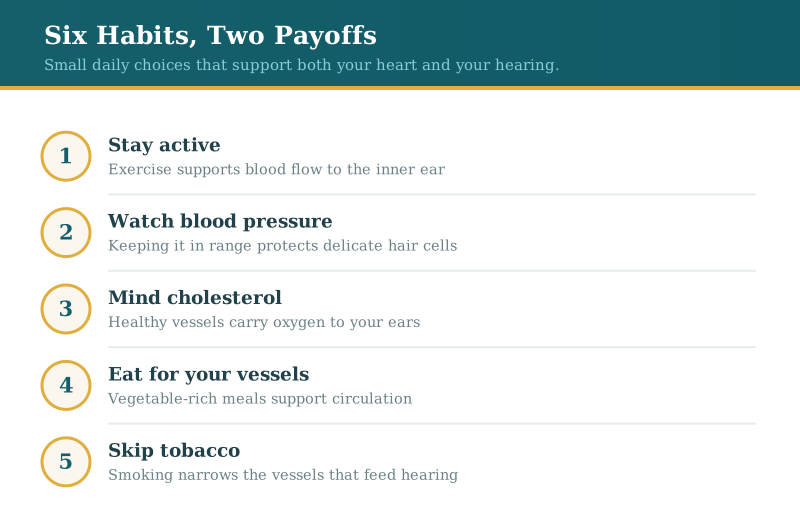
Regular physical activity is one of the most direct ways to support the blood flow your ears rely on. Aerobic movement such as brisk walking, swimming, or cycling keeps vessels flexible and helps blood reach the far corners of the body, the inner ear included. You do not need to train like an athlete. Most days of moderate activity, built up gradually, is the kind of routine that supports both cardiovascular fitness and the circulation your hearing depends on.
Mind your blood pressure
High blood pressure strains vessels throughout the body, and the tiny ones serving the inner ear are especially vulnerable. Over time that strain may contribute to changes in how well you hear. Keeping blood pressure in a healthy range, through the steps your doctor recommends, is good for your heart and a sensible move for your ears. If you are being treated for hypertension, mention any change in your hearing at your next visit.
Keep cholesterol in check
Cholesterol that builds up in the arteries narrows them and slows circulation. The same process that concerns cardiologists can reduce the oxygen-rich blood reaching your ears. Diet, activity, and, when needed, medication all help bring cholesterol into a healthier range. It is one more case of a heart goal and a hearing goal pointing in the same direction.
Eat with your vessels in mind
The eating patterns that support heart health, with plenty of vegetables, fruit, whole grains, and fish and less salt and processed food, also support the small vessels that feed your hearing. No single food protects your ears. What seems to help is the overall pattern kept up over time. If you already eat this way for your heart, your hearing is benefiting as well.
Steer clear of tobacco
Smoking narrows blood vessels and reduces the oxygen your tissues receive, and the inner ear is no exception. People who smoke are more likely to develop hearing loss than those who do not, and secondhand smoke appears to matter as well. Giving up tobacco is one of the harder heart-healthy changes to make and one of the most rewarding. If you have tried before, your doctor can point you to support that improves the odds.
Stay ahead of blood sugar
High blood sugar, as in diabetes, can damage small blood vessels and nerves over time, and hearing is among the things that can be affected. Keeping blood sugar in range protects your heart, your eyes, your kidneys, and, as it turns out, your ears. If you live with diabetes or prediabetes, it is worth pairing your regular checkups with an occasional hearing test so any change is caught early.
Hearing and your wider health
See how hearing connects to other conditions on our Hearing and Your Health page.
Frequently asked questions
Questions patients ask us
Can improving my heart health reverse hearing loss I already have?
Honest answer: no. Once the hair cells in the inner ear are damaged, healthy habits will not bring them back. What these habits can do is help protect the hearing you still have and support your overall health. If you already notice a change, a professional hearing aid fitting is the proven way to hear more clearly day to day.
Does high blood pressure really affect hearing?
Research points to a connection rather than a simple cause. People with cardiovascular risk factors, high blood pressure among them, tend to have poorer hearing on average. That does not mean managing blood pressure will restore hearing, but it is one more good reason to keep it in a healthy range.
How often should I have my hearing checked?
For most adults, a baseline test followed by periodic rechecks is plenty, with more frequent checks if you have heart disease, diabetes, or a family history of hearing loss. Our team can suggest a schedule that fits your health, and you can reach out whenever something sounds different.