


Hearing Aid Care
Caring for hearing aids is genuinely simple once you know what matters. Most of it comes down to a few minutes a day and a handful of habits: keeping them clean, keeping them dry, and knowing when a problem is one you can solve at home versus one to bring to us. Skip that upkeep and you invite muffled sound, dead batteries, and repairs that could have been avoided.
Get the care right and a good set of hearing aids can serve you clearly for years; neglect it and even excellent devices fade before their time. Most of the trouble we see traces back to a handful of honest misunderstandings, so those are the ones worth clearing up.
The myth: modern hearing aids take care of themselves
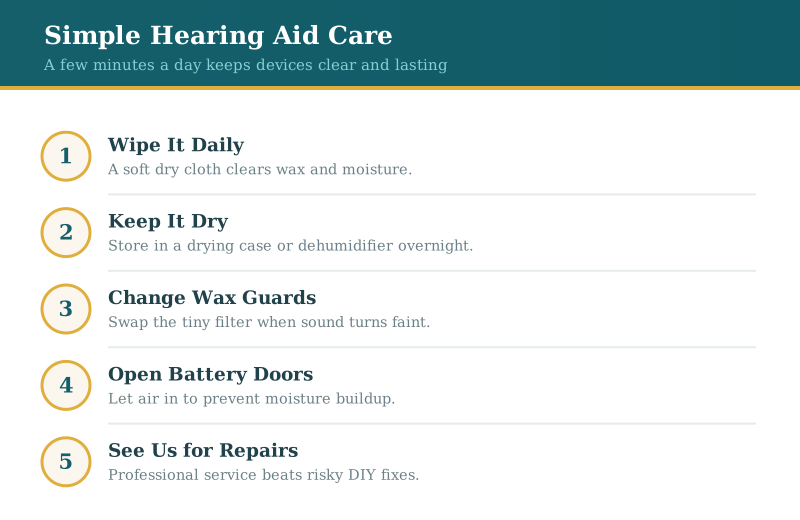
Because today's devices are small and smart, it's tempting to assume they need no upkeep. They do. Sitting in your ear canal all day, they collect earwax, skin oil, and moisture, and that residue is the single most common reason a device starts to sound muffled or cuts out. The fix is easy: a quick wipe with a soft, dry cloth each night handles most of it. Set the habit beside brushing your teeth and it becomes automatic. A minute of care protects the investment you made in hearing well.
The myth: 'water-resistant' means I can get them wet
Many hearing aids carry a water-resistance rating, which leads some people to shower, swim, or sit in a sauna with them in. Resistance is not immunity. A rating guards against sweat and the odd splash, not submersion or steam, and moisture that works its way inside is a leading cause of failure. Take your devices out before showering or swimming, and pat them dry after a hard workout. Overnight, store them in a drying case or electric dehumidifier so any trapped moisture has somewhere to go.
The myth: it's fine to leave them anywhere overnight
A nightstand seems harmless until a device rolls onto the floor, a curious pet finds it, or a sunny windowsill bakes it. Where and how you store hearing aids matters more than people expect. Pick one consistent, dry spot away from heat, pets, and small children. If your aids use disposable batteries, open the battery door each night; that switches them off, saves power, and lets moisture escape. Rechargeable models go straight back on their charger. A steady routine also means you never spend the morning hunting for them.
The myth: faint sound means the battery died or the device broke
Weak or dead sound sends plenty of people reaching for a new battery or fearing that something expensive just failed. More often the culprit is wax. The tiny wax guard at the tip of the device clogs, and swapping in a fresh one restores the sound in seconds. Keep spare guards and domes on hand, and learn the change from your provider. Persistent buildup in your own ears is a separate issue worth addressing; our earwax removal visits keep canals clear so your aids can do their job.
The myth: a broken hearing aid means a DIY fix or a whole new pair
When a device stops working, the instinct is either to pry it open at the kitchen table or to assume you need to buy a replacement. Both are usually wrong. Opening the case yourself can void a warranty and turn a small fault into a costly one, while many problems that feel terminal are quick professional fixes. Bring the device to one of our San Mateo or San Carlos offices first. Our hearing aid repair service handles cleanings, tubing, receivers, and moisture damage, often the same day, across the brands we fit.
The myth: once they're fit, they never need professional attention
It's tempting to treat a good fitting as the finish line. Ears, hearing, and devices all change over time, and periodic professional care keeps everything tuned. A routine visit lets us deep-clean the parts you can't reach, replace worn tubing or filters, and fine-tune the programming as your hearing shifts. If your aids were fit elsewhere, or you're new to the area, we're glad to take over their upkeep. A quick visit once or twice a year prevents most of the problems that send people in frustrated.
Frequently asked questions
Your questions, answered
How often should I clean my hearing aids?
A quick wipe every night is the ideal, using a soft, dry cloth or tissue to clear wax and moisture before you store them. Once a week, take a closer look at the wax guard, domes, and tubing, and change anything that looks clogged. Beyond that, a professional cleaning once or twice a year reaches the parts you simply can't get to at home.
Can I use water or cleaning wipes on them?
Skip water, alcohol, and household cleaners, which can damage the delicate electronics and finish. A dry cloth handles daily wax, and for anything stubborn your provider can supply brushes and wax picks made for the purpose. If a device gets caught in the rain, dry it off and set it in a dehumidifier rather than reaching for a damp cleaning wipe.
My hearing aid sounds weak. Is it broken?
Often it's nothing serious. A clogged wax guard is the usual reason sound goes faint, and replacing that tiny filter fixes it in seconds. Check the battery or charge next. If a fresh guard and a full charge don't help, bring it in for repair before assuming the worst; many faults turn out to be minor and quick to correct.
Do older adults need a different care routine?
The steps are the same, though dexterity and eyesight can make the small parts harder to manage. Tools like magnifiers, brushes with easy-grip handles, and simple-load battery doors all help, and we're happy to demonstrate them at an appointment. Families supporting a parent often find our guidance on hearing aids for seniors a useful place to start.