


Hearing Aid Technology
This is separate from the general 'smart' connectivity people ask about, like streaming calls or changing settings from a phone. Health monitoring is specifically about your body: how much you move, whether you take a spill, how your pulse trends across a day. The sensors sit inside the same shell that amplifies sound, so the tracking comes along for the ride rather than as a second gadget to charge and manage.
Before you weigh any of this too heavily, keep the order of priorities in mind. A hearing aid earns its place by helping you hear well; the health features are a welcome bonus layered on top. That balance is worth holding onto as you look at what the newest devices can do.
At a glance
- Some hearing aids add step tracking, fall detection, and heart-rate estimates through built-in sensors.
- These are wellness conveniences, not medical devices — helpful, but not a substitute for clinical monitoring.
- The core job is still hearing well; pick the health extras that genuinely fit your daily life.
The features you'll find today
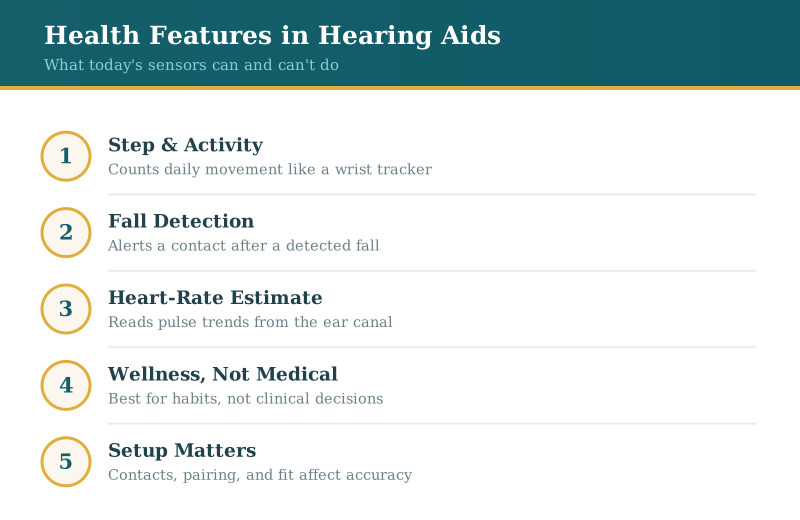
Health monitoring in a hearing aid usually means a small cluster of motion and optical sensors tucked into the shell. Step and activity tracking is the most common, counting movement through the day much like a wrist band. Fall detection watches for the sudden motion signature of a stumble and can send an alert to a chosen contact. A handful of premium models estimate heart rate from the ear canal, where blood flow is easy to read. All of it rides along with amplifying sound, so there is no extra device to wear. You can compare which hearing aids carry these sensors, since the list changes as brands update their lineups each year.
Helpful, but not a medical device
It is worth being clear about the ceiling here. These sensors are built for general wellness, not diagnosis. A step count gives you a reasonable sense of how active you have been, not a clinical figure. Heart-rate estimates follow trends better than they nail exact beats. Fall detection can summon help, yet it will miss some falls and occasionally flag a hard sit-down as one. Read the numbers as encouragement to stay active and connected, and leave your doctor's equipment as the source for anything that guides medical decisions. Falls are a serious safety concern for older adults, which is why even an imperfect alert can matter.
Who tends to get the most from them
The value depends on your day. If you live alone, fall detection can offer a real margin of safety and reassure family without a separate pendant. If you are working to stay active, having step data in the same app you already open to adjust your hearing aids removes a bit of friction. Someone who tracks fitness elsewhere, or rarely opens an app, may not touch these tools much, and that is fine. For an older-leaning wearer, we usually talk this through during a hearing aid fitting, matching features to habits rather than chasing the longest spec sheet. Our notes on hearing aids for seniors go deeper on that balance.
Fitting the technology to your life
Getting these features to work well comes down to setup as much as hardware. Fall alerts need the right emergency contacts entered and tested. Activity tracking has to be paired with a phone you actually carry. Heart-rate readings depend on a snug, comfortable seat in the ear. That is ordinary ground we cover after a hearing evaluation, once we know your hearing profile and can point you toward models whose extras you will really use. If you would like to see what current devices offer, our team can demonstrate them, or you can reach out to weigh the options before you decide.
Frequently asked questions
What patients often want to know
Which hearing aids include health-monitoring features?
They tend to be mid- to premium-tier models from the major manufacturers, and the specific mix of sensors shifts year to year. Because the lineup keeps moving, the surest approach is to check current brands rather than trust last season's list.
Is fall detection reliable enough to count on?
It adds a useful layer of safety, though it should not be your only safeguard. The system catches many falls and can alert a contact on its own, but it misses some and can misread a sharp movement. Keep it paired with the everyday precautions you would take anyway.
Can these features replace my fitness tracker or medical monitor?
For casual wellness, they can stand in for a basic step counter. For anything a doctor relies on, such as heart rhythm or blood pressure, keep using dedicated medical equipment. The hearing aid sensors are meant to nudge healthy habits, not to guide treatment.
Do the health features drain the battery faster?
Running extra sensors does use some power, but modern hearing aids are designed with that in mind, and most wearers still get through a full day. If you stream audio heavily on top of tracking, you may notice the difference, and a nightly charge covers it.
I mainly want to hear better — are these worth paying for?
Only if they suit how you live. The amplification is what should drive your choice, and the health tools are a bonus. If step data or a fall alert genuinely fits your routine, they add real value; if not, a simpler model may serve you just as well.
How do I set up and test the fall-detection alerts?
It starts with entering trusted contacts in the companion app and running a test so everyone knows what an alert looks like. We walk through this at our San Mateo and San Carlos offices during a fitting, and can help you confirm it works before you rely on it.