


Hearing & Prevention
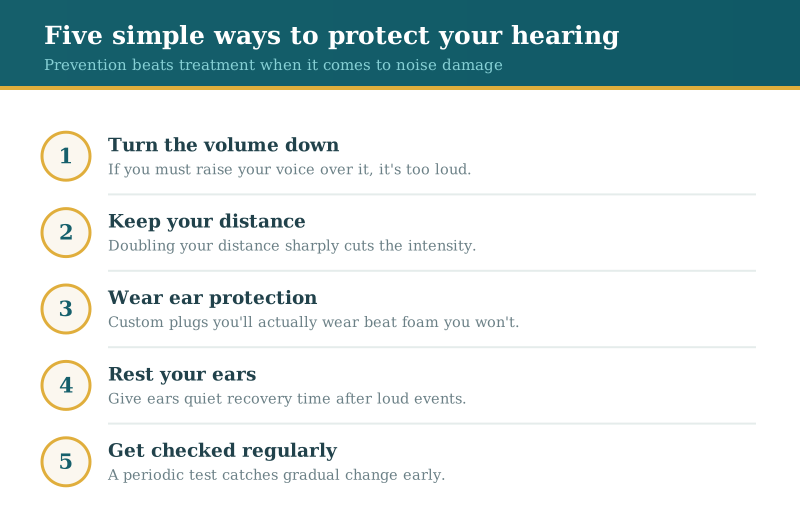
The core moves are straightforward. Turn the volume down, put distance between your ears and loud sound, give your ears time to recover, and use real protection when noise is unavoidable. None of it means giving up music, tools, or the things you enjoy.
These are the habits our audiologists explain every week, paired with a periodic hearing test so any change gets caught early. Noise-induced hearing loss is well documented by the NIDCD, and nearly all of it is avoidable.
At a glance
- Loud noise causes permanent damage, but it is one of the most preventable kinds of hearing loss.
- Volume, distance, and recovery time matter as much as ear protection itself.
- Custom hearing protection lets musicians, hunters, and workers hear clearly while staying safe.
- A periodic hearing check catches early changes while there is still time to act.
Manage volume and distance from loud sound
Two things determine how much a loud sound harms your ears: how loud it is and how long you are near it. Doubling your distance from a speaker, a saw, or a stage sharply reduces the intensity reaching your ears. When something is loud enough that you have to raise your voice to talk over it, treat that as your signal to step back, turn it down, or protect your ears.
Use real hearing protection
Foam earplugs and earmuffs are inexpensive and effective for yard work, concerts, and power tools. For anything regular, custom hearing protection is worth it: musician earplugs lower the volume evenly so music still sounds natural, while filtered protection for hunting and law enforcement guards against gunfire without blocking normal conversation. Protection you find comfortable is protection you will actually wear.
Give your ears time to recover
After a loud event, whether a concert, a game, or a day of mowing, your ears need quiet to recover. Ringing or a muffled, underwater feeling afterward is a warning sign that you pushed them too hard. Build in quiet time, and make loud exposure the exception rather than the daily background of your life.
Be smart about earbuds
Headphones and earbuds are close to your eardrums, so their volume adds up fast, especially when you crank them to drown out a noisy train or street. A good habit is to keep the volume around half and take listening breaks. If a persistent ringing follows your listening sessions, our tinnitus resources explain what that sound means and when to have it checked.
Skip unsafe earwax removal
Cotton swabs and ear candles do more harm than good, since they push wax deeper, and swabs can scratch the canal or damage the eardrum. Your ears are largely self-cleaning. When wax genuinely builds up and muffles your hearing, professional earwax removal is safe, quick, and far gentler than anything you can do at home.
Protect your overall health
Your ears rely on healthy blood flow and steady nerves, so the habits that protect your heart tend to protect your hearing too. Not smoking, staying active, managing blood pressure and blood sugar, and protecting your head from injury all support long-term hearing. It is one more reason general wellness and ear health travel together.
Get your hearing checked periodically
Because noise damage is gradual and painless, the earliest changes are easy to miss on your own. A periodic hearing evaluation gives you a baseline and flags shifts while there is still room to protect what remains. If you already notice ringing, fullness, or trouble in noisy rooms, that is a good reason to come in sooner.
Frequently asked questions
What patients often want to know
How loud is too loud?
A useful rule of thumb: if a sound forces you to raise your voice to be heard by someone nearby, it is loud enough to protect against. The louder it is, the less time it takes to cause harm, so both intensity and duration matter.
Are custom earplugs really better than foam ones?
For occasional use, foam is fine. Custom plugs fit your ears precisely, stay comfortable for hours, and, for musicians, hunters, and workers, can lower volume evenly so you still hear clearly. Most people wear them far more consistently, which is what actually protects your hearing.
Is ringing after a loud event a bad sign?
Ringing or muffled hearing after loud noise means your ears were overworked. It often fades, but repeated episodes point to accumulating damage. If ringing lingers or keeps returning, have your hearing evaluated rather than waiting it out.
How often should I have my hearing tested?
If your hearing is stable and you have no concerns, a check about once a year is reasonable. Come in sooner if you notice new ringing, ear fullness, or difficulty following speech in noisy places.