


Hearing & Wellbeing
There is a name for it: listening fatigue. Reduced hearing pushes your brain to do extra work, piecing together half-heard words from context, watching lips for clues, and holding the start of a sentence in memory until the rest arrives and the meaning finally lands. All of that runs quietly in the background, hour after hour, and by evening the tank is empty.
Plenty of people notice the exhaustion long before they ever suspect their ears. It also happens to respond well to the right help. A clear picture from a hearing evaluation, and often a well-tuned hearing aid fitting, can hand back a noticeable share of your energy.
At a glance
- Straining to follow speech is genuine cognitive work that tires you out.
- Noisy places like restaurants and meetings drain energy the fastest.
- End-of-day fatigue and withdrawal are common signs people mistake for aging.
- Well-fit hearing aids and simple communication habits lower the daily effort.
Listening fatigue, explained
Hearing and understanding are not the same thing. Your ears pick up sound, but your brain does the harder job of turning muffled or incomplete speech into meaning. When some sounds no longer come through clearly, that internal effort ramps up, and the constant strain has a cost. Listening fatigue is the tiredness left over after a day of that extra work — the mental version of walking uphill without noticing the slope.
Why noise makes it so much worse
Following one calm voice in a quiet room is manageable. Following that same voice over clattering plates, background music, and three other conversations is exhausting, because your brain has to separate the signal from the noise before it can even start understanding. A restaurant, a group gathering, or an open-plan meeting can therefore leave you far more tired than the activity seems to warrant. If crowded places wear you out fastest, that pattern is worth a hearing test.
Signs people blame on aging instead
Since the fatigue builds slowly, it is easy to chalk up to getting older. Watch for turning down invitations because groups feel like too much, needing quiet time alone to recover after socializing, drifting out of long conversations, or feeling mentally foggy by late afternoon. None of that is a character flaw or simply age; these are common signals that listening has become effortful, and they often ease once hearing is supported.
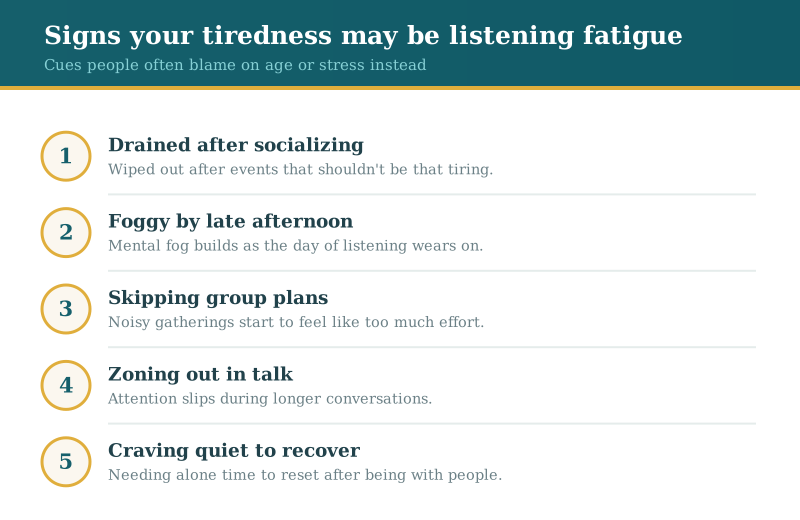
How the effort quietly drains your day
The strain does not only show up as tiredness. When most of your focus goes to decoding words, less is left for remembering what was said, thinking of a reply, or enjoying the moment. Many people find they retreat from conversation not because they stopped caring, but because it costs too much. Untreated hearing loss can nudge you toward withdrawal, and that shrinking social world affects mood and wellbeing over time.
How well-fit hearing aids lower the effort
Clear speech means your brain no longer has to guess and reconstruct, so the background effort drops. What matters is the fit. Devices programmed and verified for your hearing make voices easier to follow without turning noise into a distraction. Modern hearing aids are especially good at lifting speech out of busy backgrounds, which is exactly where fatigue hits hardest. New devices can tire you more for a few weeks before they tire you less, since the brain is sorting sound it has not handled in years, and that eases as you work up to a full day of wear. If yours sound flat or leave restaurants difficult, a fitting adjustment usually helps.
Communication habits that save energy
Technology does part of the job, and small changes do the rest. Face the person you are talking with so you can use natural lip cues, pick the quieter side of a room or a booth against a wall, and ask people to get your attention before they start speaking. Short breaks from noise during a long event let your brain reset. Paired with good devices, these habits add up to real relief across a full day.
When tinnitus adds to the tiredness
For some people, ringing or buzzing in the ears runs alongside hearing loss and piles on its own layer of mental strain, especially in quiet moments or when you are already worn down. If that sounds familiar, you are not imagining the extra drag it puts on your focus. Our tinnitus resources walk through ways to make that ringing less noticeable, and treating hearing and tinnitus together often lightens the overall load.
Frequently asked questions
Your questions, answered
Can hearing loss really make me tired?
Yes. Straining to follow speech is genuine cognitive effort, and doing it all day is tiring. Many people feel drained or foggy by evening without realizing their ears are the reason. Clearer hearing usually reduces that fatigue.
Why am I so exhausted after noisy events?
In noise, your brain has to separate a voice from the background before it can understand it, which takes real work. That is why restaurants, parties, and busy meetings can leave you far more tired than the event itself would explain.
Will hearing aids help with the fatigue?
When they are well fit, they often do. By making speech clearer, they cut the guessing and reconstructing your brain has been doing, so less energy goes to simply keeping up. A verified fitting matters more than raw volume.
How do I know if my tiredness is from hearing?
If you feel worn out mainly after socializing or noisy settings, ask others to repeat themselves often, or have started avoiding group plans, a brief hearing evaluation can tell you whether your hearing is part of the picture.