


Tinnitus & Hearing Aids
Tinnitus is a symptom rather than a disease of its own, most often tied to the same inner-ear changes that dull hearing. When the ears send less sound to the brain, the brain can turn up its own internal gain, and that hiss or ringing becomes easier to notice in the quiet. You can read more about that mechanism on our what is tinnitus page.
No device erases tinnitus. What well-programmed hearing aids can do is bring back the everyday sound that covers the ringing and ease the strain of listening, which for many people adds up to real, day-to-day relief. Our audiologists in San Mateo and San Carlos fit and tune devices with tinnitus in mind.
At a glance
- Tinnitus and hearing loss usually go together, so treating the hearing often eases the ringing.
- Hearing aids do not cure tinnitus; they mask it with everyday sound and reduce listening strain.
- Many models add built-in sound therapy an audiologist can tune to your tinnitus over follow-up visits.
How amplifying sound softens the ringing
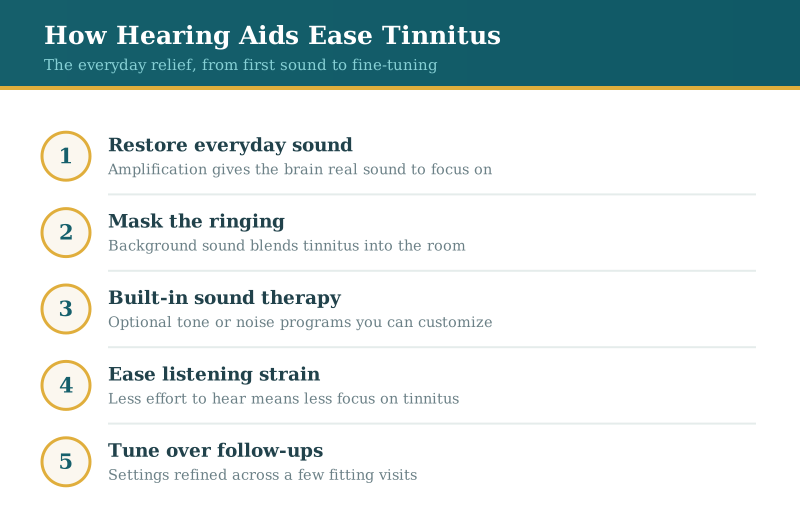
Tinnitus stands out most in silence. When the ears stop delivering the full range of everyday sound, the brain has little to listen to except its own internal signal, and the ringing or buzzing moves to the foreground. Hearing aids work on this directly: by restoring ambient sound — voices, footsteps, the hum of a room — they give the brain something real to focus on, and the tinnitus tends to recede into the background. Because the relief comes from the sound around you rather than from noise piped into your ear, it feels natural, and it often carries over for a while even after you take the aids out.
Built-in tinnitus programs
Many current hearing aids offer more than amplification. A number of models include dedicated tinnitus programs that play soft, adjustable sound, such as gentle tones, ocean-like noise, or a shaped hiss, that the brain can settle on instead of the ringing. This is the same idea behind sound therapy, delivered through a device you already wear all day. An audiologist can set the pitch and volume of these sounds to sit comfortably alongside your own tinnitus and refine them over follow-up visits. Some people find the amplification alone is enough; others lean on the sound programs during quiet evenings or at their desk.
When hearing aids help most, and when they don't
Hearing aids tend to help most when tinnitus comes packaged with measurable hearing loss, which is the common pattern. If a hearing test shows your hearing is essentially normal, amplification has less to offer, and a plan built around sound therapy or counseling may suit you better. Tinnitus that appears suddenly, affects only one ear, or comes with dizziness or pain deserves a medical look before you consider devices, since those patterns can point to something that needs separate attention. This is why we start with an evaluation rather than a product. Hearing aids sit among the standard tools for tinnitus that comes with hearing loss, alongside the other options ASHA sets out for managing tinnitus.
Getting fitted with tinnitus in mind
Fitting a hearing aid for tinnitus differs a little from fitting one purely for hearing. Beyond matching amplification to your hearing test, your audiologist pays attention to how the settings affect the ringing and may enable and shape a tinnitus program as part of the fitting. Expect the first setup to be a starting point rather than a finished result; the tuning that brings the most relief usually happens across a few visits. If you want to understand the full range of choices first, our tinnitus care pages walk through everything from evaluation to ongoing management, and our team can help you decide where hearing aids fit into your plan.
Frequently asked questions
Questions patients ask us
Do hearing aids cure tinnitus?
They do not cure it. What they can do is make tinnitus far less noticeable by restoring everyday sound and easing the effort of listening. Many people find that day-to-day relief meaningful, even though the underlying tinnitus is still there when they go looking for it.
Can hearing aids help if I don't have hearing loss?
This is where they have the least to offer. Amplification helps by bringing back sound you are missing, so if your hearing tests as normal, there is little to amplify. In that situation, sound therapy, counseling, or a combination usually makes more sense, and an evaluation will point you toward the right path.
How quickly will I notice a difference?
Some people notice the ringing recede the moment the aids switch on and the room fills with sound. For others, the benefit grows over weeks as the brain adjusts and the settings are refined. Tinnitus relief is rarely a single dramatic moment; more often it is a gradual easing you notice most when you realize you have stopped thinking about the sound.
Are special tinnitus hearing aids different from regular ones?
Not fundamentally. Most are standard hearing aids from mainstream brands that happen to include a tinnitus sound program, which your audiologist switches on and tunes. You are rarely buying a separate category of device, so the same models that address hearing loss can serve double duty for tinnitus.
What if my tinnitus is only in one ear?
One-sided tinnitus is worth mentioning to a professional before anything else, because it occasionally signals something that needs a medical evaluation. Once that is cleared, a hearing aid on the affected side can still help if there is hearing loss to treat. The important step is getting it checked rather than assuming it is routine.
Should I try hearing aids or sound therapy first?
The two often work best together rather than as either-or choices, so the order matters less than people expect. If you have hearing loss, aids are a natural starting point since they address both problems at once. Your audiologist can weigh your hearing test, your daily routine, and how much the tinnitus bothers you, then suggest where to begin.