


Understanding Tinnitus
Tinnitus is the perception of sound with no outside source. It can show up as ringing, hissing, buzzing, humming, or a soft roar, and it may come and go or hold steady. It is a symptom rather than a disease on its own, so figuring out what sits behind it matters more than the sound itself. Our approach to tinnitus care begins with that question.
For a lot of people the noise is mild and easy to live with. For others it wears on sleep, focus, and mood. Either way, a short hearing evaluation at our San Mateo or San Carlos offices is a sensible way to learn what is going on and what, if anything, is worth doing about it.
At a glance
- Tinnitus is the perception of sound — ringing, buzzing, hissing — with no external source.
- It is a symptom, not a disease, and often tied to hearing loss or noise exposure.
- Sudden, one-sided, or pulsing tinnitus deserves prompt medical attention.
- A hearing evaluation is the clearest way to understand your tinnitus and your options.
What tinnitus tends to sound like
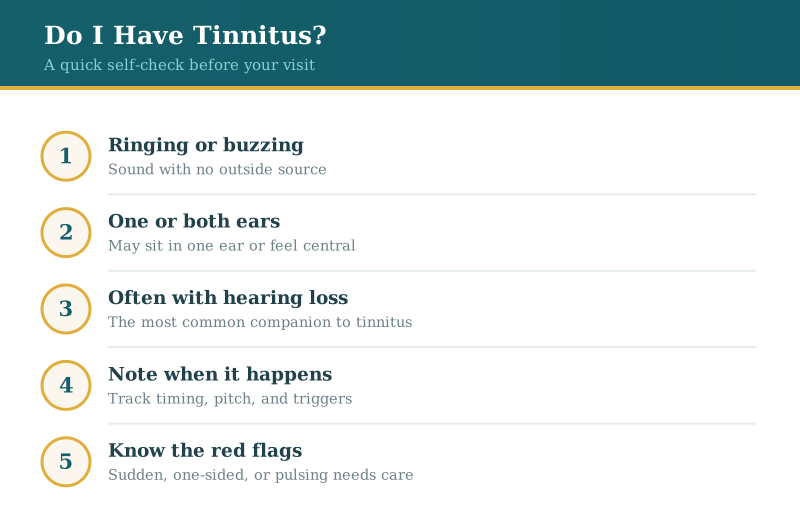
People describe it in a lot of ways. Ringing is the classic one, but hissing, buzzing, whooshing, clicking, and a low hum are all common. It might sit in one ear, both ears, or feel like it is coming from inside your head. The pitch and volume can shift from day to day. If a sound like that turns up with no radio, no appliance, and no one else able to hear it, tinnitus is the likely explanation. You can read more about the range of experiences on our what is tinnitus page.
A simple way to check yourself
Pay attention to when you hear it and how much it bothers you. Does it show up mainly in quiet rooms, or is it there through the day? Is it steady, or does it pulse along with your heartbeat? One ear or both? Did it follow a loud concert, a mowing session, or a new medication? Jotting down a few of these details before an appointment gives your audiologist a real head start. There is no home test that confirms tinnitus, but these patterns help tell an ordinary, manageable case from one that needs a closer look.
What commonly sits behind it
The most frequent companion is hearing loss, often from years of noise or the natural changes of aging. A buildup of earwax can set it off too, as can certain medications, an ear infection, jaw tension, or a single loud exposure. Stress and poor sleep rarely cause tinnitus outright, but they can turn up the volume on a sound you might otherwise tune out. Because the causes vary so widely, the useful move is an evaluation rather than guesswork.
Signs worth checking sooner
Most tinnitus is not an emergency, but a few patterns deserve prompt attention. Ringing that arrives suddenly, sits in only one ear, or comes with hearing loss or dizziness should be seen quickly. So should a rhythmic, pulsing sound that keeps time with your heartbeat. The National Institute on Deafness and Other Communication Disorders notes that tinnitus is usually a symptom of another condition, and a professional can sort out which one. When in doubt, it is better to have it looked at than to wait and wonder.
What an evaluation looks like
A visit is unhurried and comfortable. We look in your ears, review your history and any medications, and measure your hearing carefully. Often that alone explains the sound and points to a clear path forward. From there, options might include treating an underlying issue, a well-fit hearing aid when hearing loss is part of the picture, or sound therapy that makes the noise easier to ignore. Our full tinnitus therapy approach is built around what your results actually show.
Living with tinnitus, and getting help
Here is the encouraging part: most people find their tinnitus settles into the background over time, especially with the right support. If it is disrupting sleep or focus, you do not have to push through alone. For some, everyday sounds also start to feel too loud, a related issue called hyperacusis that we can assess in the same visit. When the ringing is wearing on you, our team is glad to help you understand it and find relief.
Frequently asked questions
Your questions, answered
Is tinnitus a sign of hearing loss?
Often, yes. Hearing loss is the most common thing found alongside tinnitus, though not everyone with tinnitus has measurable loss. That is one reason a hearing test is such a useful first step — it tells us whether hearing is part of your picture and what to do next.
Will my tinnitus ever go away?
Sometimes it fades on its own, especially when a clear cause like earwax or a medication is addressed. When it lingers, treatment focuses on reducing how much it intrudes rather than promising silence. Many people reach a point where they barely notice it. We cannot guarantee an outcome, but we can help you work toward that.
When should I see someone about it?
Book a visit if the sound is steady, bothersome, or affecting your sleep. See someone promptly if it comes on suddenly, sits in one ear only, pulses with your heartbeat, or arrives with dizziness or new hearing loss. Those patterns are worth checking without delay.
What can be done to help?
Quite a lot. Depending on the cause, help might mean treating an underlying issue, using a hearing aid, or trying sound therapy that eases the noise into the background. Our team builds a plan around your evaluation rather than a one-size answer.